
Storm Prep For Stronger Trees
Category: Tree Care | Tag: Storm Readiness
Irie breeze through di branches, and wise pruning keep di roots and canopy balanced for di rough weather season.
Continue readingFree Next-Day Estimates, Emergency Services Available Over 10 Years of Experience.
Root and Canopy .Co LLC. is much more than just a tree service – we’re a family-owned business built on trust, safety, and results. For more than 10 years, we’ve served Memphis with tree care that goes beyond the basics. Our crew treats every property like it’s our own, showing up on time, working carefully, and leaving the site cleaner than when we arrived. Our team of properly trained and licensed professionals is fully insured, ensuring the safety of your property while we work. We are equipped with the right tools for any tree work, promising a quick and efficient service. We are members of the Tree Care Industry Association (TCIA), the Better Business Bureau (BBB), and the National Federation of Independent Business (NFIB). We also have a Certified Tree Care Safety Professional (CTCSP) on staff. We offer free next-day estimates and are committed to providing exceptional service to our local community. From lot clearing to tree removal, our team can help you. Reach out to us today!
Our success comes from combining small-town values with modern equipment and professional training. By hiring certified professionals and investing in the best gear, we deliver efficient, damage-free results whether you need light pruning or extensive tree removal in Memphis, TN. Customers come back to us because they know we’ll handle the job right the first time.
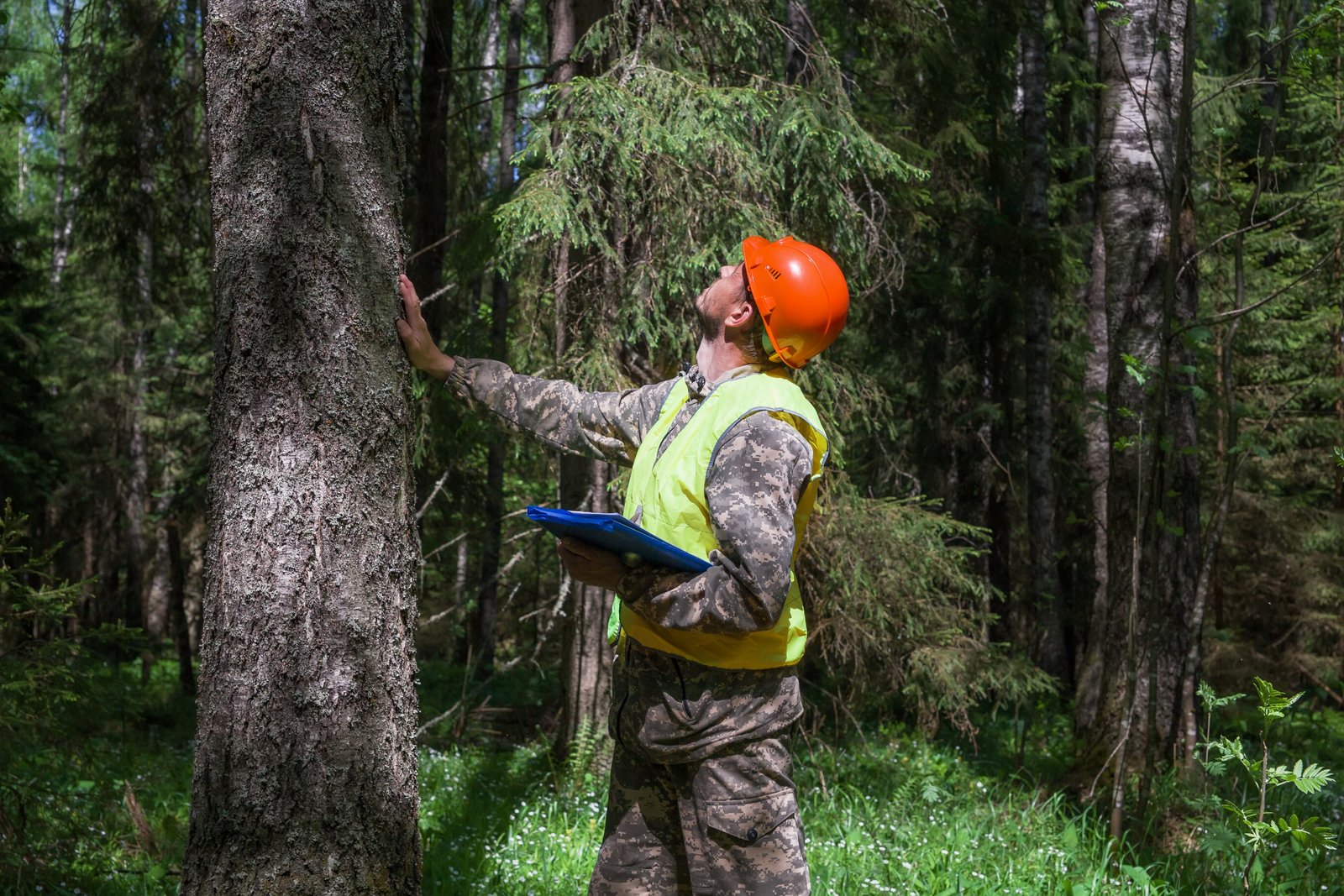
If you are concerned about a tree, hire one of our ISA Certified, Tree Risk Assessment Qualified professional to provide you with an assessment and solutions!
Learn MoreAt Root and Canopy, we prioritize your safety and satisfaction. Our team is not only experienced but also dedicated to delivering top-tier service. We are quick, efficient, and ensure minimal disruption to your property. Our accolades and memberships attest to our commitment to quality. We are a local, family-owned business that understands the unique needs of our community. Choose us for reliable, professional tree removal in Memphis, TN and neighboring communities. Call for a free next-day estimate!

Emergency Services Available

Licensed & Insured

Award-Winning Service

Free Next-Day Estimates

ISA Certified Professionals
Tree work can be dangerous, but at Root and Canopy .Co LLC., safety is non-negotiable. Every project is carefully planned, and we use state-of-the-art equipment to minimize risk. With a Certified Tree Care Safety Professional on staff, we stay on top of industry standards and best practices.
This safety-first mindset benefits you directly—our projects are completed without unnecessary delays, property damage, or hazards. Whether it’s routine trimming or large-scale tree removal in Memphis, TN, you can rest easy knowing that we put protection first.
Root & Canopy provides dependable tree care solutions for commercial properties, residential homes, and raw land throughout Memphis and the surrounding area. Whether you need hazardous tree removal near a structure, stump grinding to reclaim usable space, or expert guidance on tree health and risk, our team approaches every job with the same focus on safety, efficiency, and long-term results.
We work with homeowners looking to protect and improve their landscapes, business owners who need clean and professional site maintenance, and landowners preparing undeveloped property for future use. From routine service to more complex clearing and assessment work, we bring the equipment, training, and experience needed to handle each project carefully and correctly.
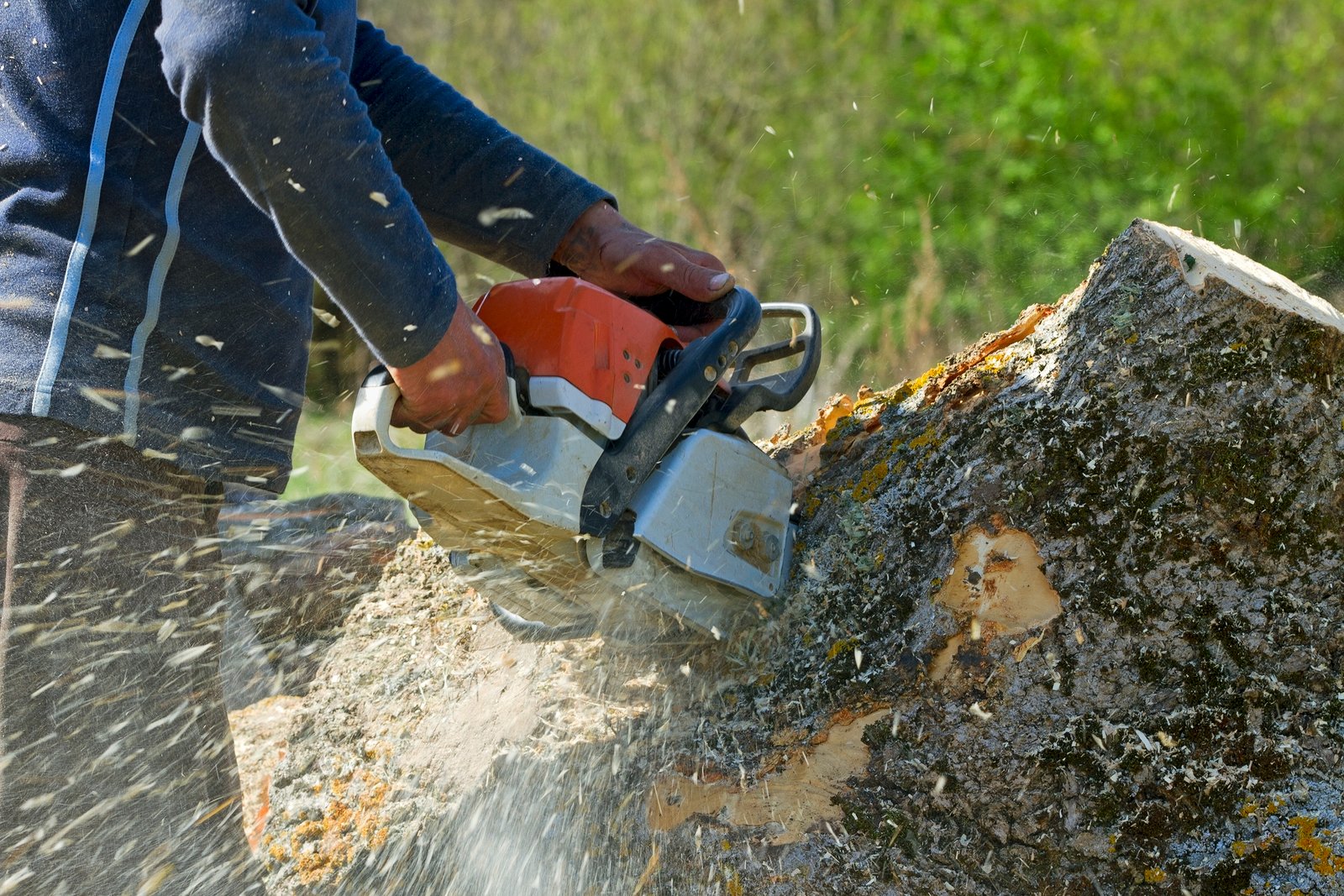
Safe and efficient tree removal services for residential and commercial properties.
Learn More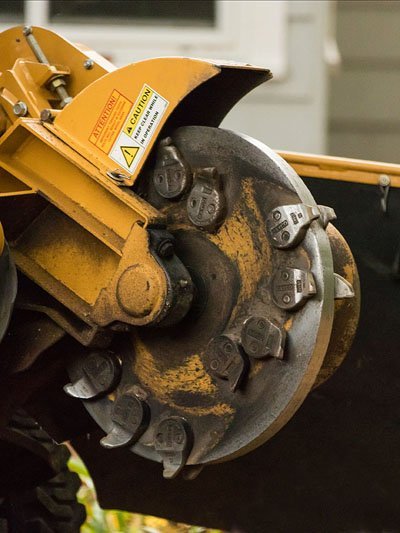
Professional stump grinding to eliminate unsightly stumps and prevent regrowth.
Learn More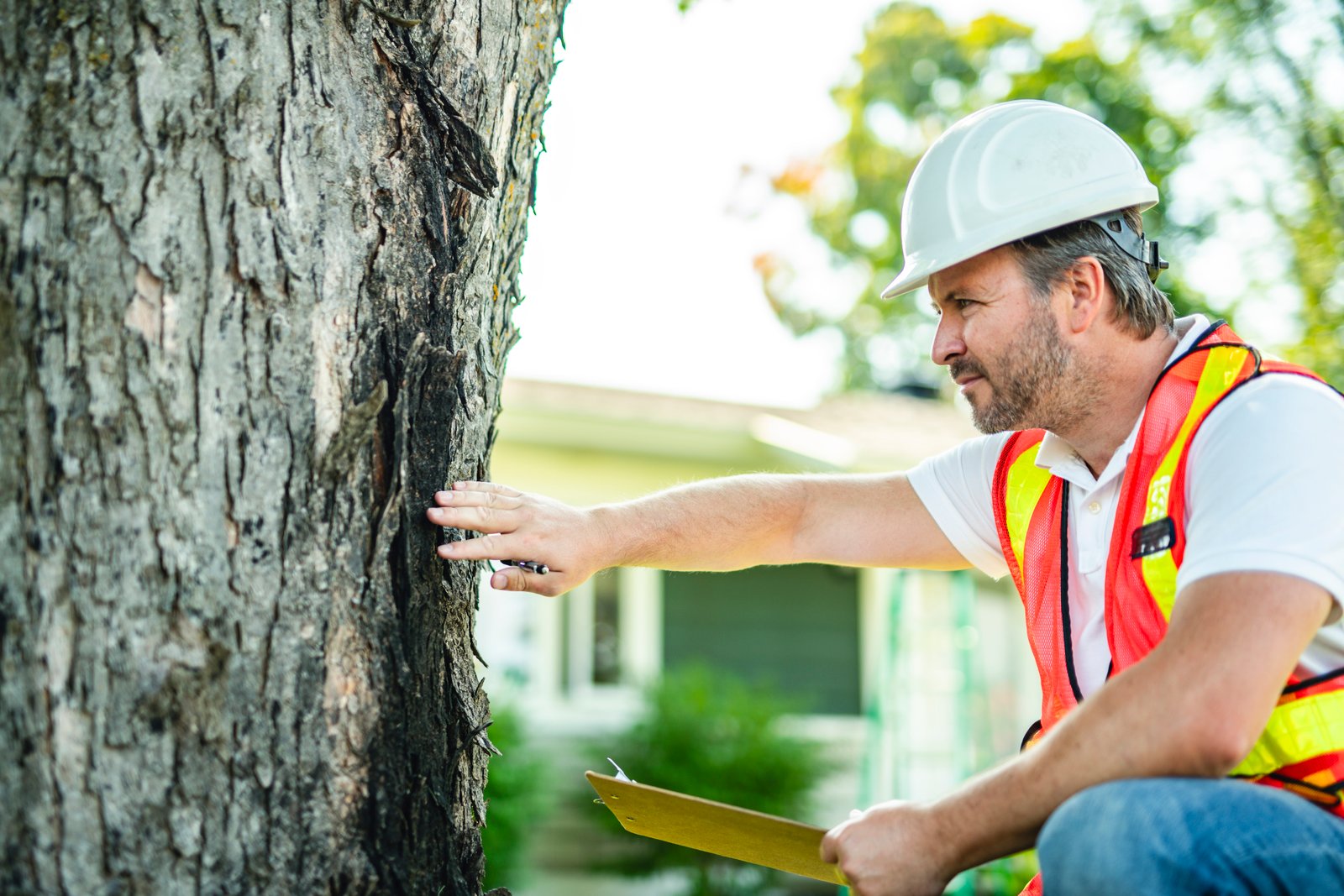
Comprehensive tree risk assessments to identify potential hazards and recommend solutions.

Detailed soil analysis to optimize tree growth and landscape vitality.

Description of an additional service offered by Root & Canopy.
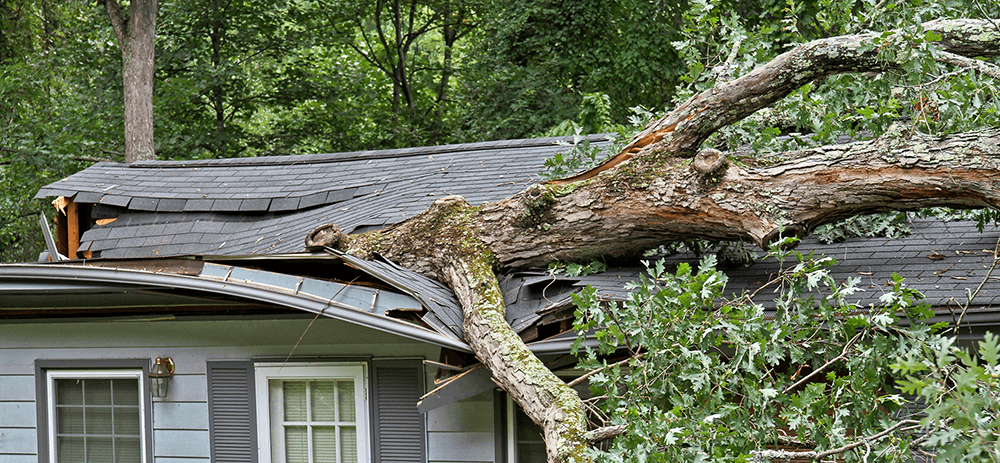
Our business thrives on word of mouth, and nothing makes us prouder than the support of our community. Customers consistently praise our professionalism, quick response times, and clean work. We see every project as an opportunity to build long-term relationships, and from emergency storm response to scheduled commercial tree removal in Memphis, TN, our clients know they can count on us season after season.
We handle everything from scheduled pruning to commercial tree removal in Memphis, TN for homeowners and businesses alike. That same commitment to thoughtful stewardship carries into rootandcanopy.net, the premier network for the holistic homesteader, where our broader vision for land care, resilience, and regenerative living continues to grow.
Q: Do you provide free estimates?
A: Yes. We offer free next-day estimates for many of our services, giving you a clear understanding of the scope, timing, and recommended approach before work begins.
Q: Do you handle emergency tree situations?
A: Yes. If a storm-damaged tree or hazardous limb is threatening your home, business, or surrounding area, our team can respond quickly and help make the site safe.
Q: Can you work on commercial sites, residential properties, and raw land?
A: Absolutely. Root & Canopy works with homeowners, businesses, and landowners who need everything from ongoing maintenance to large-scale clearing and tree removal.
Q: Are you insured and professionally trained?
A: Yes. Our crew is properly trained, fully insured, and committed to safe, careful work that protects both people and property throughout every phase of the job.
Category: Tree Care | Tag: Storm Readiness
Irie breeze through di branches, and wise pruning keep di roots and canopy balanced for di rough weather season.
Continue reading
Category: Residential | Tag: Seasonal Maintenance
Roots man wisdom say watch di soil, trim wid care, and keep di yard in harmony so every likkle tree can thrive.
Continue reading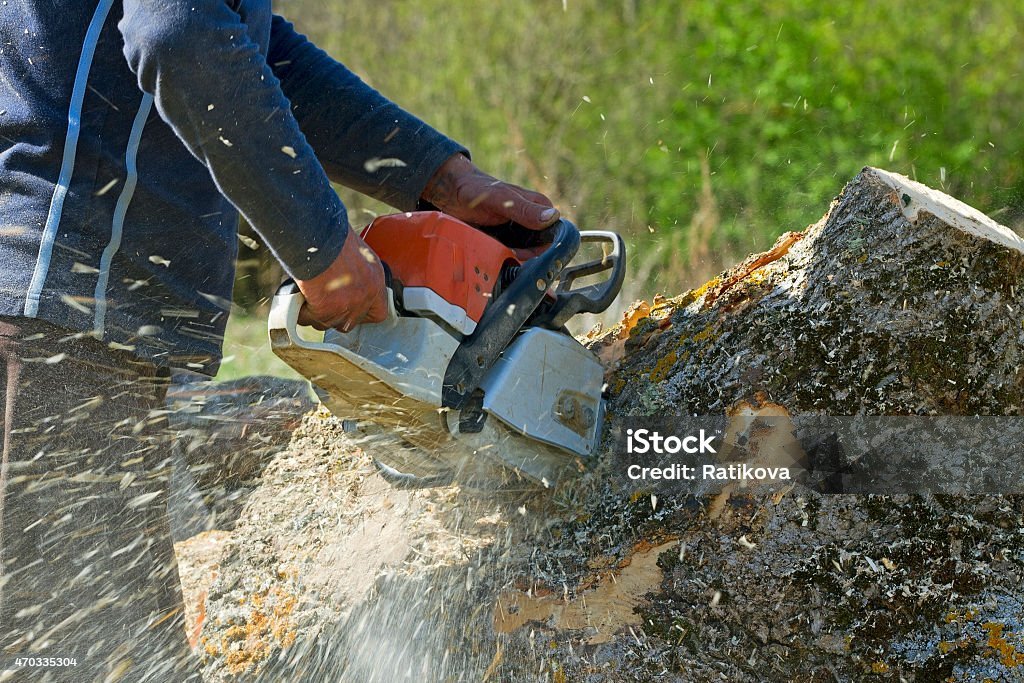
Category: Commercial | Tag: Risk Management
One love and clear planning pon di property, with safe removals and strong structure keeping business grounds clean.
Continue reading